
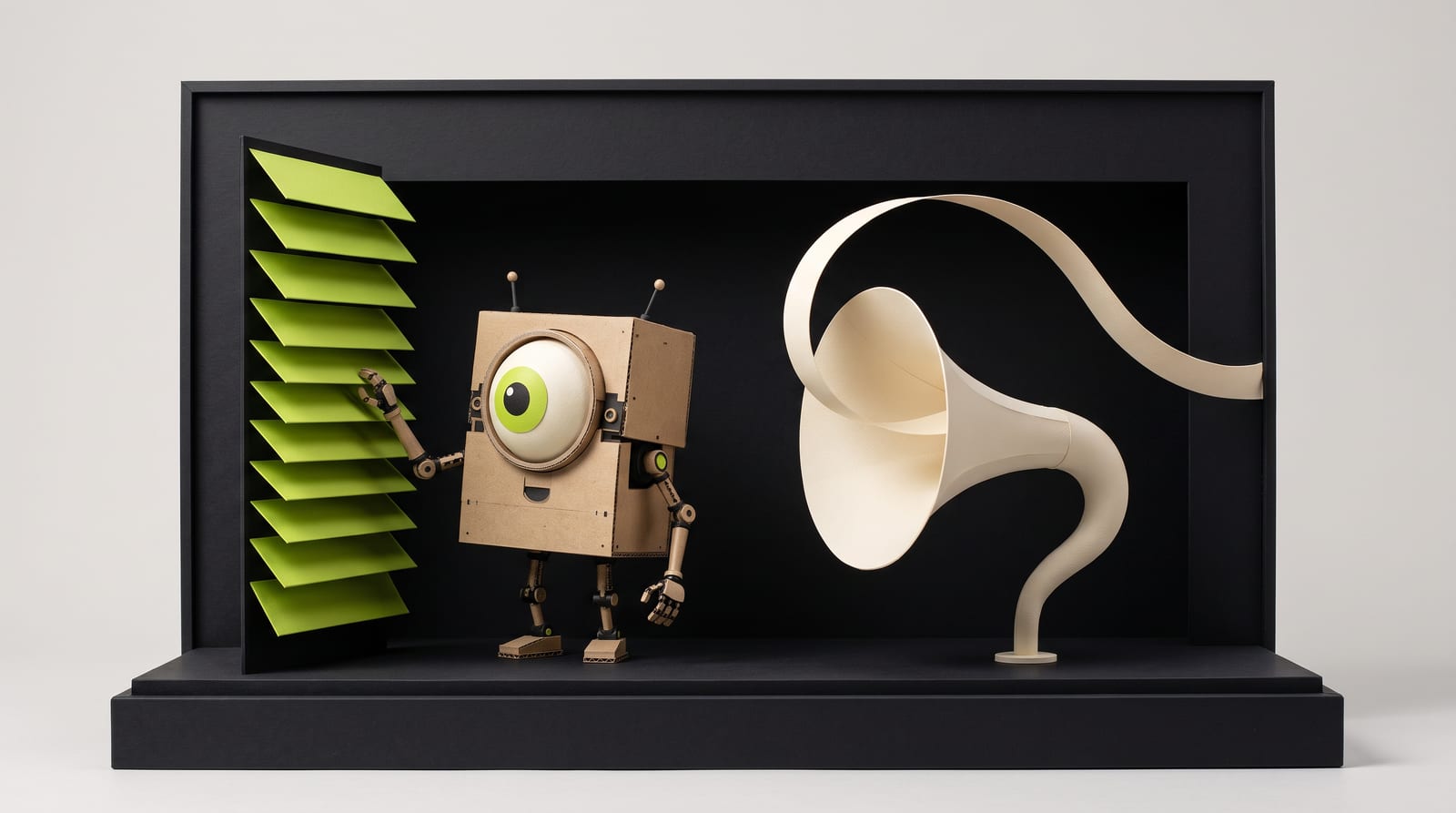
Begin with a correction that changes the conversation
Imagine a hypothetical Philippine service desk confirming a visit. The assistant begins repeating the branch address and the caller interrupts: “Wait, ibang branch.” A fluent system that continues its original speech can leave the person unsure whether the correction was heard. The failure is conversational even if the final transcript contains every word.
Kooya recommends making this a buyer demonstration, not an optional polish exercise. Ask someone who has not rehearsed the script to interrupt at several points. Observe whether the assistant yields, hears the new detail and responds to the revised request. A pleasant voice and a fast first answer do not establish those behaviours.
Keep the test focused on turn-taking. Language recognition, booking permissions and business validation remain separate requirements. A system can recognise the correct branch name while still speaking over the person who said it.
Check the audio that the caller actually experiences
Twilio’s bidirectional Media Streams documentation describes buffered outgoing audio and a clear message that empties that buffer. It also explains that returned mark messages can follow completed playback or clearing. An integration therefore needs the surrounding event history to interpret a marker correctly. These are provider-specific mechanics, not a claim that every voice platform behaves the same way.[1]
Kooya recommends asking the supplier to show a timeline for one interrupted response: when caller speech begins, when the system detects it, when outgoing speech stops and what happens next. Include the telephone or browser playback path used in production. A model log alone cannot demonstrate the experience at the far end of a call.
Avoid describing a sentence as heard merely because the model generated it or the server sent it. Playback evidence is useful, but even completed playback does not prove the person understood the message. For an important confirmation, ask for an explicit response rather than treating audio delivery as agreement.
Let pauses and acknowledgements remain human
Google’s Live API capabilities guide documents configurable voice-activity detection, including speech sensitivity and silence duration. It also describes manually controlled activity boundaries. The guide currently labels the Live API as preview. These controls illustrate implementation choices; they do not supply one setting that fits every caller or language condition.[2]
For Philippine service scenarios, Kooya recommends testing people who pause while locating a reference number, switch between English and Filipino, or say a brief “okay” while listening. The desired behaviour differs: a correction should receive attention, a thinking pause should not force an unfinished request into a final answer, and a small acknowledgement should not necessarily derail an explanation.
Use real conversational patterns with consented testers or constructed examples. Do not assume a language label predicts speaking pace. Include different speakers, devices and relevant background conditions, then record which situations the chosen configuration handles poorly. Tune against those observations rather than a preference for the fastest possible reply.
Pair these conversational tests with language-specific cases from our guide to Tagalog–English voice AI evaluation.
Make the next answer reflect the interruption
Stopping the voice is only half the test. Return to the branch example: the next response should acknowledge the correction and establish the intended location. It should not continue the old explanation from where it stopped or pretend the original confirmation was accepted.
Kooya recommends keeping a clear distinction between what the assistant proposed and what the caller confirmed. If only part of a question was played, avoid assuming the caller answered the unseen remainder. If a correction is ambiguous, ask a short clarifying question. A concise recovery is usually easier to evaluate than another long speech.
Interruptions also do not automatically cancel a separate business action already submitted. The interface should explain the action’s actual status when relevant. Keep conversational playback control separate from the application’s authority to create, change or cancel a booking. That prevents an interruption from acquiring an unintended operational meaning.
Turn the demonstration into an acceptance checklist
Kooya suggests testing an interruption near the start, middle and end of an answer; a correction during a confirmation; a long thinking pause; a short acknowledgement; and unrelated background speech. For each case, specify the expected next turn and what the assistant must not assume.
Measure audible overlap, missed corrections, premature replies and repeated requests for the same detail. Compare conditions separately so a good quiet-room result does not conceal a poor handset experience. Select acceptance criteria around the task and observed caller needs; this guide proposes no universal latency threshold or measured Kooya performance claim.
Finally, define the fallback after repeated conversational failure. Offer a clear route to a person or another approved channel, carrying forward only the information needed to continue. Preserve the test cases when the speech model, carrier integration or playback implementation changes. The useful deliverable is a conversation people can steer, supported by repeatable evidence.